High Protein Vegan Pumpkin Chili in the Slow Cooker
By the PlantedAndSimple Kitchen · November 11, 2026 · 9 min read
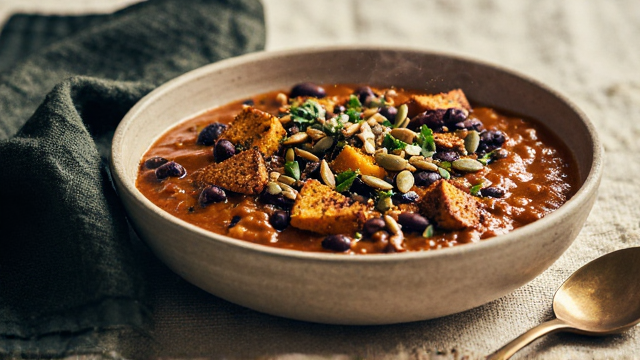
This dump-and-go slow cooker vegan pumpkin chili combines red lentils, quinoa, and tender beans for a velvety autumn stew delivering 25 grams of plant protein per bowl.
Most slow cooker chili recipes break their central promise before you even turn on the machine. Making a hearty high protein vegan chili shouldn't require twenty minutes of prep at the stove browning onions, toasting ground spices, and deglazing pans before transferring everything into the crock. When the goal is an effortless weeknight dinner, washing an extra skillet defeats the entire premise.
This true dump-and-go slow cooker vegan pumpkin chili with red lentils solves that frustration. By adjusting the size of the vegetable cut and using whole pantry staples that absorb liquid as they simmer, every ingredient goes into the slow cooker raw. The full recipe card is detailed below for quick reference, followed by the culinary mechanics that make this method work.
Beyond convenience, traditional bean-based vegan chili often stalls around twelve grams of protein per portion. By introducing split red lentils and dry quinoa directly into the slow cooker vessel alongside canned beans, this recipe hits twenty-five grams of complete plant protein across six generous bowls. For more cozy inspiration, check out our stovetop smoky pumpkin chili or browse our plant-based protein guide.
The Grain-to-Liquid Ratio That Eliminates Sautéing
Skipping the stovetop sauté introduces two common pitfalls: raw, crunchy alliums and a watery, separated broth. Standard slow cooker stews rely on reduced pan juices to create body. Without that reduction step, the moisture released by canned vegetables pools at the bottom of the pot.
We solve this by adding dry red split lentils and uncooked tri-color quinoa directly to the base. Red lentils disintegrate across several hours of gentle heat, acting as a natural starch thickener that binds the pumpkin puree and tomato broth into a cohesive sauce. Quinoa swells to absorb excess moisture while providing a toothsome chew reminiscent of coarse-ground chili.
Raw onions and garlic can leave an acrid, sharp aftertaste if thrown in as large chunks. The solution is mechanical rather than thermal: mince the yellow onion finely or run it across a coarse box grater, and grate the garlic cloves directly into the cooker. The reduced surface area allows the gentle ambient steam of the slow cooker to thoroughly soften the alliums without requiring oil or a frying pan.
The High Protein Vegan Chili Formula
Reaching twenty-five grams of protein per bowl without processed meat alternatives requires deliberate layering of complementary pulses and seeds. Rather than relying solely on black beans, this high protein vegan formula balances four distinct whole-food protein sources.
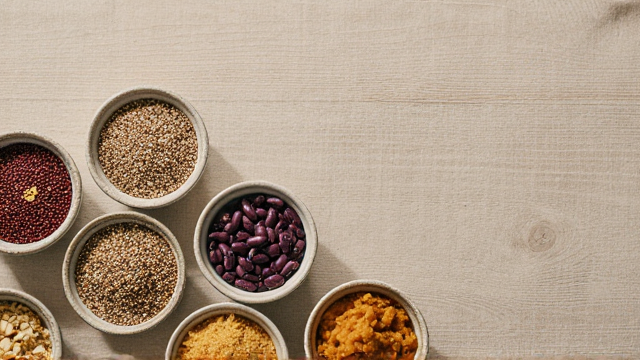
Dry red split lentils (1 cup): Contributes 48 grams of total protein to the pot while breaking down completely to thicken the cooking liquid.
Canned black and pinto beans (3 cans total): Adds roughly 63 grams of protein combined, providing varied bite and traditional chili substance.
Uncooked quinoa (1/2 cup): Provides 12 grams of protein along with all nine essential amino acids and an earthy texture.
Nutritional yeast (1/4 cup): Infuses 16 grams of protein while lending savoury depth that balances the pumpkin.
Combined with the modest protein naturally present in pure pumpkin puree, fire-roasted tomatoes, and vegetable broth, the full recipe produces over 150 grams of protein. Divided evenly into six meal-sized portions, each bowl of vegan chili reliably delivers twenty-five grams of plant-based nutrition.
A deliberate balance of pulses, grains, and nutritional yeast supplies 25 grams of protein per portion.
Balancing Pumpkin Puree with Acid and Smoke
Canned pumpkin brings a velvety consistency and vibrant color to winter stews, but it carries a noticeable natural sweetness that can tilt slow cooker vegan pumpkin chili toward pie territory if left unchecked. Treating pumpkin puree like tomato paste rather than squash soup keeps the flavor strictly savoury.
Generous doses of ground chipotle, smoked paprika, and toasted cumin cut through the squash's natural sugars. Fire-roasted diced tomatoes contribute subtle bitterness and woodsmoke notes that bridge the gap between sweet pumpkin flesh and hearty legumes.
The critical step occurs immediately before serving. Long, enclosed cooking tends to dull bright notes, leaving slow cooker meals tasting flat. Stirring in two tablespoons of raw apple cider vinegar and a squeeze of fresh lime juice just before ladling into bowls lifts the heavy starch and brings the spices into sharp focus.
Long braises naturally mute bright flavors. A splash of raw apple cider vinegar at the very end instantly sharpens the entire pot.
Assembling the Pot for Optimal Texture
Order of assembly matters, even in a dump-and-go formula. Placing delicate dry grains directly against the bottom heating element helps them hydrate quickly in the cooking liquid before the heavier canned ingredients settle over them.
The Correct Layering Sequence
Bottom layer: Rinse the red lentils and quinoa, then scatter them evenly across the base of the slow cooker insert.
Aromatics and spices: Scatter the finely minced onion, grated garlic, chili powders, cumin, smoked paprika, oregano, salt, and nutritional yeast over the grains.
Legumes: Add the drained black beans and pinto beans directly over the seasoned grains.
Liquids and puree: Pour in four cups of low-sodium vegetable broth, then top with the fire-roasted diced tomatoes and canned pumpkin. Stir thoroughly with a wooden spoon to disperse the pumpkin into the broth.
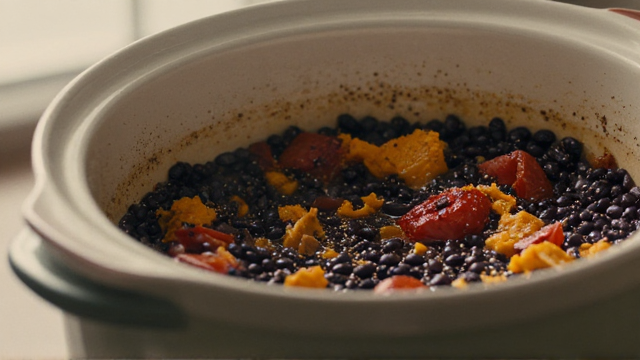
Cover and cook on Low for six to seven hours or on High for three to four hours. The slow cooker vegan pumpkin chili is ready when the quinoa spirals have unfurled, the lentils have dissolved into the sauce, and the beans are tender without splitting.
Stir the liquids and pumpkin puree thoroughly so the dry grains underneath hydrate evenly.
Substitutions and Pantry Adjustments
This slow cooker vegan pumpkin chili formula accommodates reasonable pantry adjustments without compromising the macro breakdown or cooking liquid balance.
Bean variations: Kidney beans or chickpeas can swap in place of pinto or black beans at a one-to-one ratio. Kidney beans provide a firmer chew that holds up well during extended cooking times.
Grain adjustments: If quinoa is unavailable, substitute an equal weight of coarse whole millet or brown lentils. Avoid white rice, which turns mushy over a seven-hour braise.
Squash alternatives: Canned butternut squash puree functions identically to canned pure pumpkin. Do not use canned pumpkin pie mix, which contains cinnamon, nutmeg, and added sugar.
Vegetable boosts: Fold in two cups of roughly chopped baby spinach or chopped Tuscan kale during the final fifteen minutes of cooking. The residual heat will wilt the greens without overcooking them.
Storage, Freezing, and Reheating Strategy
Because this slow cooker vegan pumpkin chili contains both red lentils and quinoa, it continues to thicken as it cools. By day two in the refrigerator, the starch absorbs remaining free moisture, creating an exceptionally rich, spoon-standing chili.
For refrigerator storage, ladle the cooled chili into airtight glass containers. It keeps well for up to five days. When reheating a portion on the stovetop or in the microwave, stir in two to four tablespoons of water or vegetable stock to restore the velvety stew consistency.
This chili freezes exceptionally well because it contains no dairy, potatoes, or delicate leafy greens that turn watery upon thawing. Cool the chili completely, portion it into quart-sized freezer bags, press out all excess air, and freeze flat on a baking sheet. Frozen flat, packages stack neatly and thaw in cold water in under twenty minutes.
Slow Cooker High-Protein Vegan Pumpkin Chili
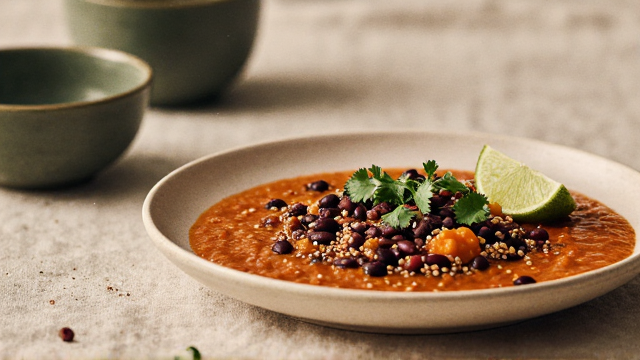
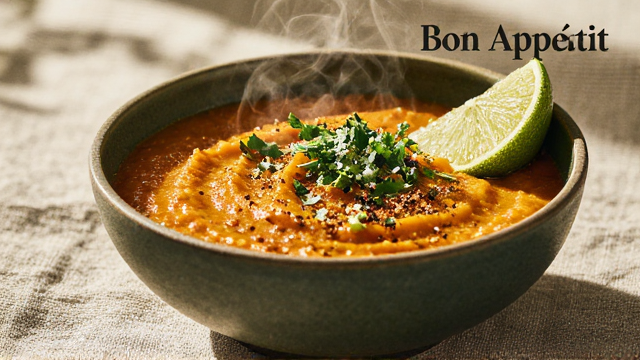
The finished dish
Prep10 minutesCook6 hoursServes6 servings
Ingredients
1 cup (190g) dry split red lentils, rinsed
1/2 cup (85g) dry tri-color quinoa, rinsed
2 cans (15 oz / 425g each) black beans, drained and rinsed
1 can (15 oz / 425g) pinto beans, drained and rinsed
1 can (15 oz / 425g) 100% pure pumpkin puree
1 can (28 oz / 794g) fire-roasted diced tomatoes, with juices
4 cups (960ml) low-sodium vegetable broth
1 medium yellow onion, finely minced or grated (approx. 150g)
4 cloves garlic, finely grated or minced
1/4 cup (24g) nutritional yeast
2 tablespoons ground chili powder
1 tablespoon ground cumin
1 tablespoon smoked paprika
1 teaspoon dried Mexican oregano
1/2 teaspoon ground chipotle chili powder
1 1/2 teaspoons kosher salt (adjust to taste)
1/2 teaspoon freshly cracked black pepper
2 tablespoons raw apple cider vinegar
Juice of 1 fresh lime
Method
Add the rinsed red split lentils and rinsed quinoa directly to the bottom of a 6-quart or larger slow cooker insert.
Add the finely minced onion, grated garlic, nutritional yeast, chili powder, cumin, smoked paprika, oregano, chipotle powder, salt, and black pepper.
Pour in the drained black beans and pinto beans.
Add the canned pumpkin puree, fire-roasted diced tomatoes with their juices, and the vegetable broth.
Stir the contents thoroughly with a long spoon until the pumpkin puree is completely dissolved into the broth and the dry grains are evenly distributed.
Secure the lid and cook on Low for 6 to 7 hours, or on High for 3 to 4 hours, until the lentils have melted into the broth and the quinoa is fully tender.
Turn off the slow cooker. Stir in the apple cider vinegar and fresh lime juice. Taste and add additional salt or pepper if desired.
Ladle into wide bowls. Garnish as desired with fresh cilantro, sliced jalapeños, or diced avocado.
Nutrition (per serving)
Calories395 kcal
Protein25 g
Carbohydrates68 g
Dietary Fiber18 g
Fat3.5 g
Sodium620 mg
Cook's notes
Do not skip the post-cooking acid addition; the vinegar cuts through the earthy pumpkin sugars and brings the spices into sharp focus.
If you prefer a looser, soup-like chili, stir in an additional cup of vegetable broth during the final thirty minutes of cooking.
Store leftovers in individual glass containers for up to five days; stir in a splash of water when reheating as the lentils will continue to absorb liquid.
Frequently asked questions
Does pumpkin chili actually taste like pumpkin?
It does not taste like pumpkin pie or squash soup. The pumpkin puree primarily acts as a savory thickening agent and color enhancer, lending body and a subtle earthy backdrop that lets smoky spices like chipotle and cumin dominate the profile.
Can you dump raw aromatics into a slow cooker without sautéing?
Yes, provided they are finely minced or grated. Coarse chunks of raw onion can remain crunchy and unpleasantly sharp in gentle slow cooker steam, but finely grated alliums soften thoroughly and infuse cleanly into the cooking broth.
How can I add more protein to vegan chili without mock meats?
Use split red lentils, dry quinoa, and nutritional yeast directly in the broth alongside standard canned beans. As the lentils break down, they provide thickness and protein without the processed sodium and fillers common in faux beef crumbles.
Can I freeze slow cooker vegan pumpkin chili?
Yes, this recipe freezes cleanly for up to four months. Because it contains pulses, grains, and squash rather than watery vegetables or dairy, it retains its thick texture after thawing and reheating.
What beans are highest in protein for vegan chili?
Black beans, pinto beans, and kidney beans are all excellent pulses for chili, offering approximately seven to eight grams of protein per half-cup serving. Pairing them with split red lentils creates a complete amino acid profile.
Final thoughts on slow cooker vegan pumpkin chili
A dependable high protein vegan dinner should require neither apologies nor preliminary stovetop work. By leaning on pantry red lentils to build velvety body and combining them with hearty beans and quinoa, this slow cooker vegan pumpkin chili delivers both true convenience and twenty-five grams of complete plant protein.
Keep a can of pure pumpkin and a bag of split lentils in your pantry this season. When a busy weekday calls for hands-off cooking, you can assemble the entire pot in ten minutes and return to a deeply satisfying, nutrient-dense dinner.